


In the early 70's, the El Paso Products
Company devised a cost effective method to sample for VOC's in the cooling water.
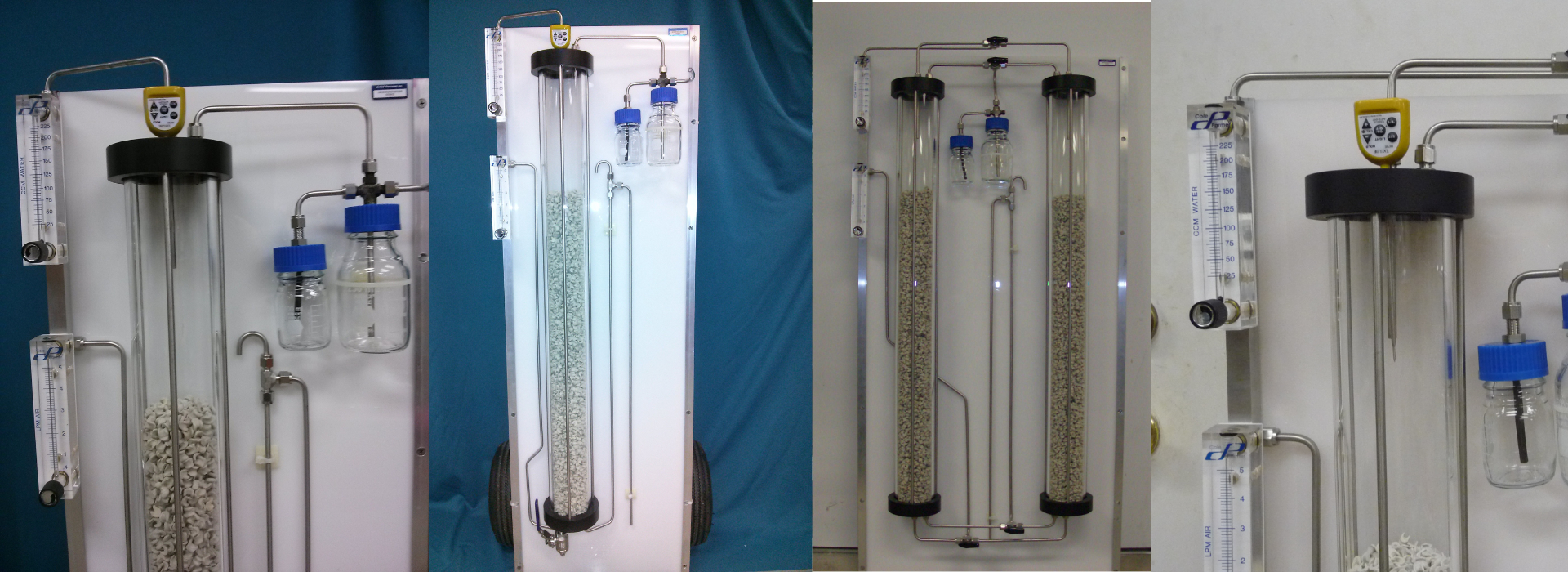
This method utilized a dynamic or flow-through system for air stripping a sample
of the water and analyzing the resultant off-gases for VOC's using a common flame
ionization detector (FID) analyzer, and has been required in permits in Texas
for many years.
The El Paso Products method, however,
has been overshadowed nationally by the use of purge and trap analysis of water
samples utilizing gas chromatography and/or mass spectrometry techniques. While
direct water analysis has been shown to be effective for cooling tower measurements
of heavier molecular weight organic compounds with relatively high boiling points,
Texas Commission on Environmental Quality (TCEQ) has determined that this approach
may be ineffective for capture and measurement of volatile organic compounds with
lower boiling points, such as ethylene, propylene, 1,3-butadiene, and butenes.
VOC's with a low molecular weight and boiling point are generally lost in the
sample collection step of purge/trap type analysis. Consequently, TCEQ requires
that the air stripping method presented in Appendix P of the TCEQ Sampling Procedures
manual be used for cooling tower and other applicable water matrix emission measurements
of VOC's with boiling points below 140o F.
This test
method had been review and accepted by the Texas Environmental Department currently
known as Texas Commission on Environmental Quality (TCEQ). This method was accepted
for analyzing samples for any VOC's that may come in contact with the cooling
water. As of January of 2003, the TCEQ has adopted a new modified El Paso method.
This method has taken an EPA methodical approach to testing. In this modified
method certain criteria have to be met before this method can be utilized and
a QA/QC procedure has been added which was not provided in the previous El Paso
method.
Previously, the FID analyzer that was utilized
could be of analog type readouts that were design to read much higher concentration
and not design to measure the lower concentration levels typically found in cooling
water. FID analyzers used in conjunction with the new method must be a digital
readout (readable to 0.1 ppmv), must be able to calibrate to low methane concentrations
(e.g. 5, 10 ppmv) and have a sampling rate less than 2000 ml/min. The QA/QC section
of the method now requires semi-annually calibration of specific components of
the cooling water tower apparatus. These components are: air rotameter, water
rotameter, and the temperature gauge. To calibrate these components, specialized
equipment should be purchased to accomplish these tasks.
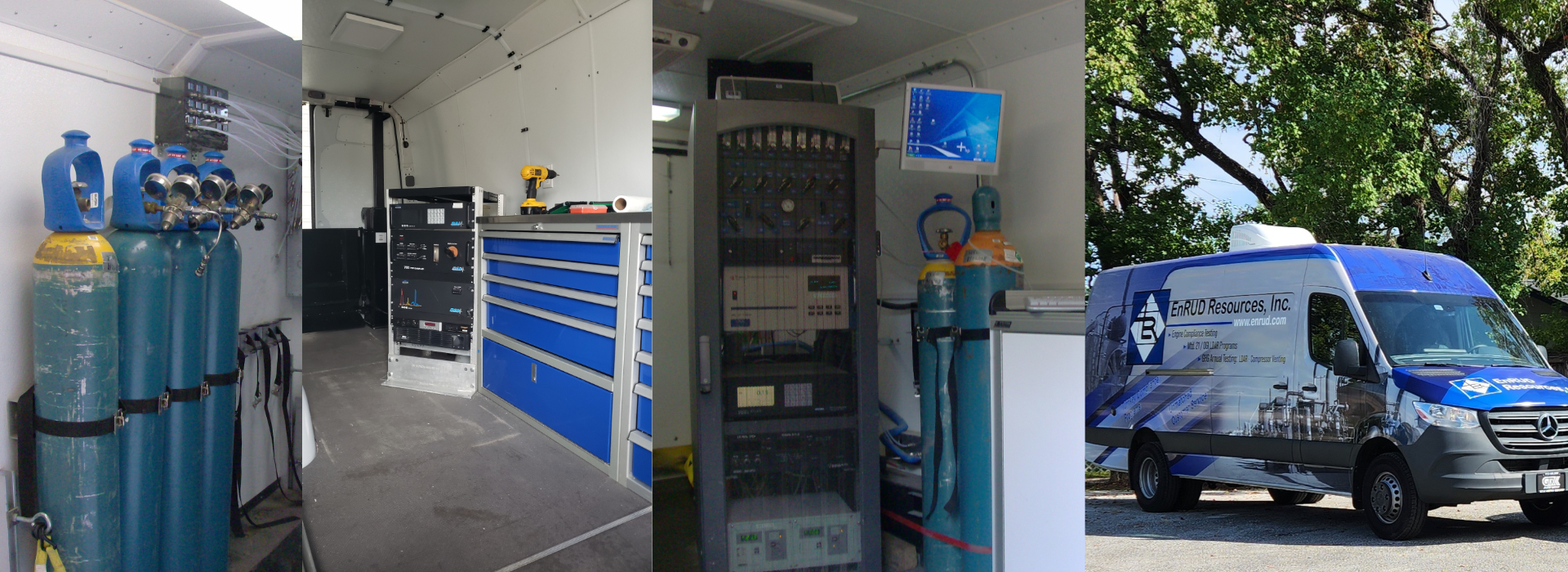
EnRUD
Resources, Inc. has the experience and the equipment to perform the necessary
QA/QC on the cooling tower water apparatus and the knowledge to perform cooling
tower water testing with the procedure incorporated in the TCEQ sampling procedures
manual. EnRUD now offers this testing service through the Compliance Assistant
Division (CAD). The Compliance Assistance Division will provide a turnkey solution
from testing to reporting of calculated mass emissions from cooling tower. If
data dictates that samples be speciated periodically, EnRUD Resources, Inc. will
provide a 3rd party laboratory or provide samples to the facilities in-house laboratory.
Stay tuned for more exciting news as EnRUD Resources, Inc. begins to automate
the data acquisition process of cooling tower testing. In the near future we will
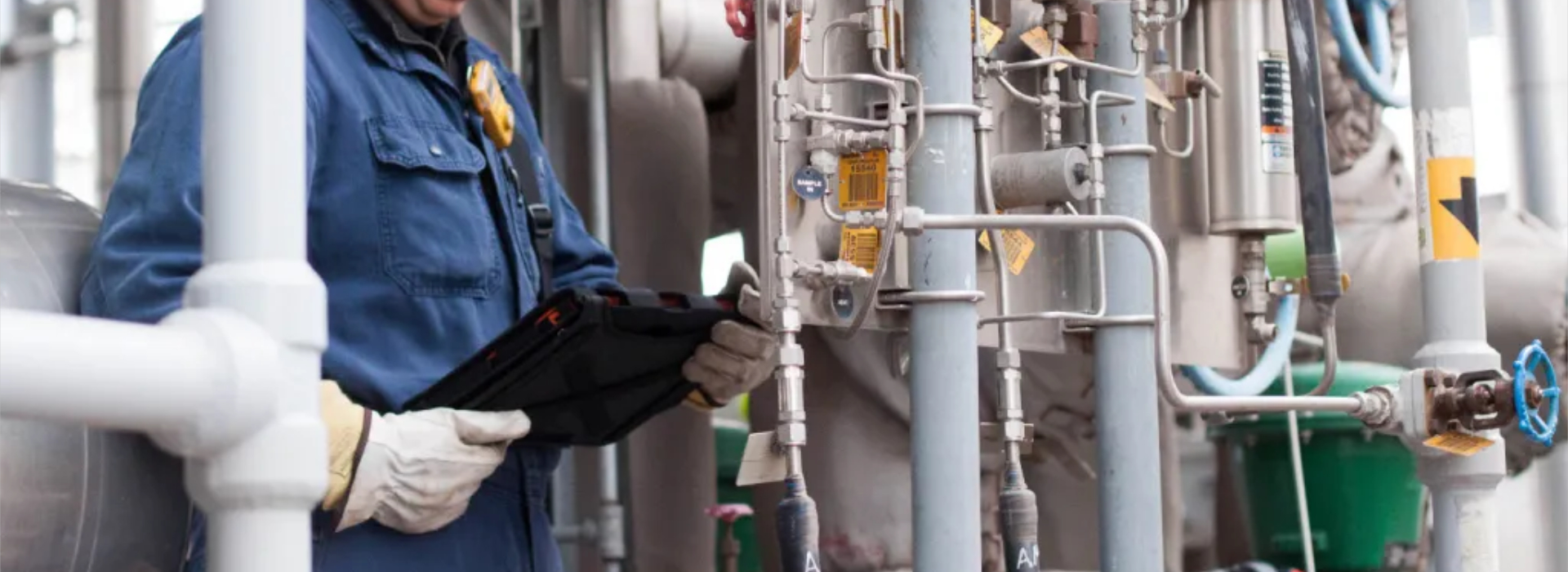
have a pen-based data acquisition solution that will automate the testing process
preventing the need for paper in the field. Customers or contractors will be able
collect the information in the field electronically and up-load the information
to a PC based data management system. This allows the customer to perform calculations
and reports at the touch of a button. For more information on Cooling Tower Water
Testing.
Contact
EnRUD Resources - Back
to LDAR Information Center