

Our Services
Discover the wide range of services offered by EnRUD Resources
About EnRUD Resources
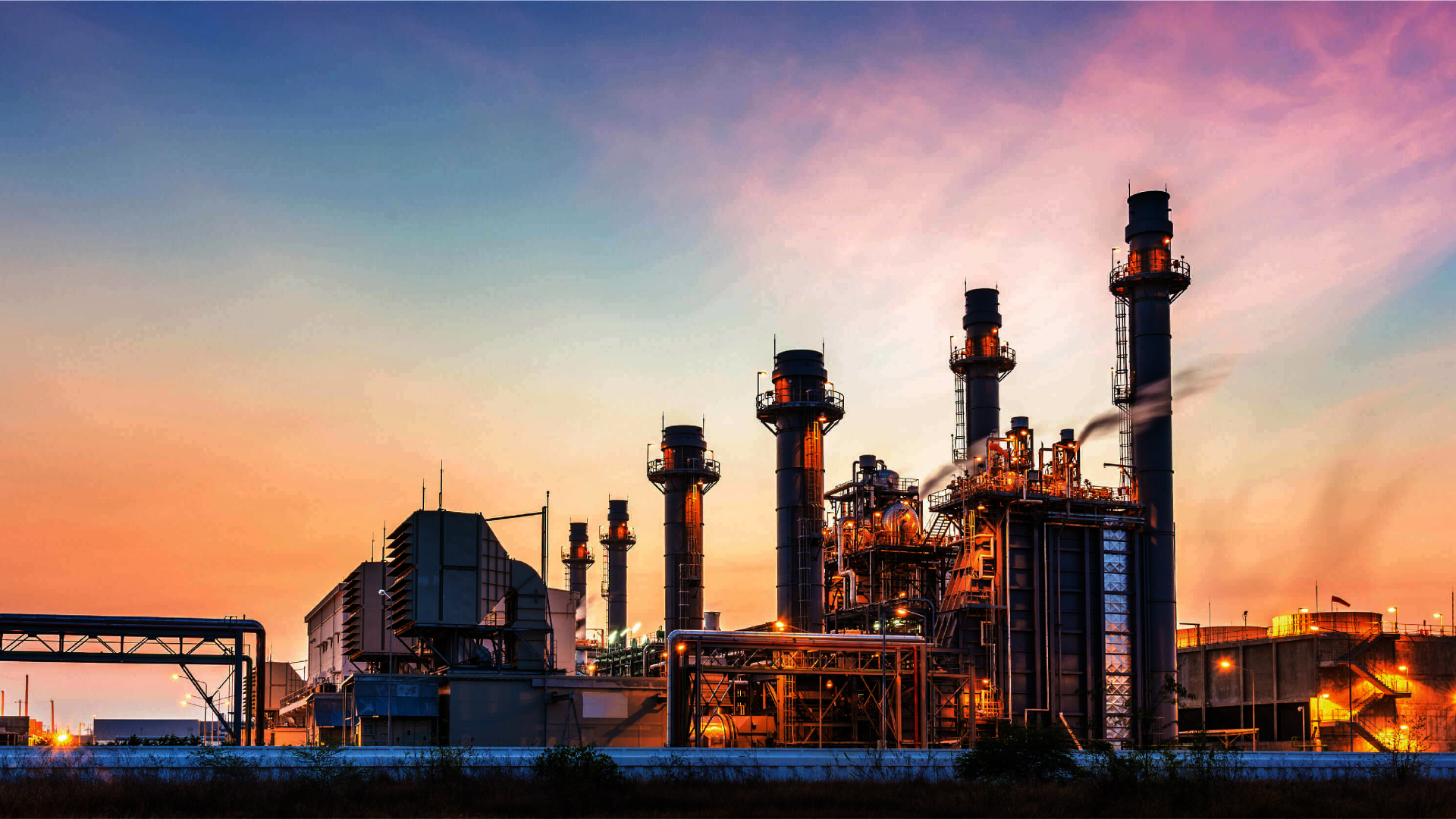
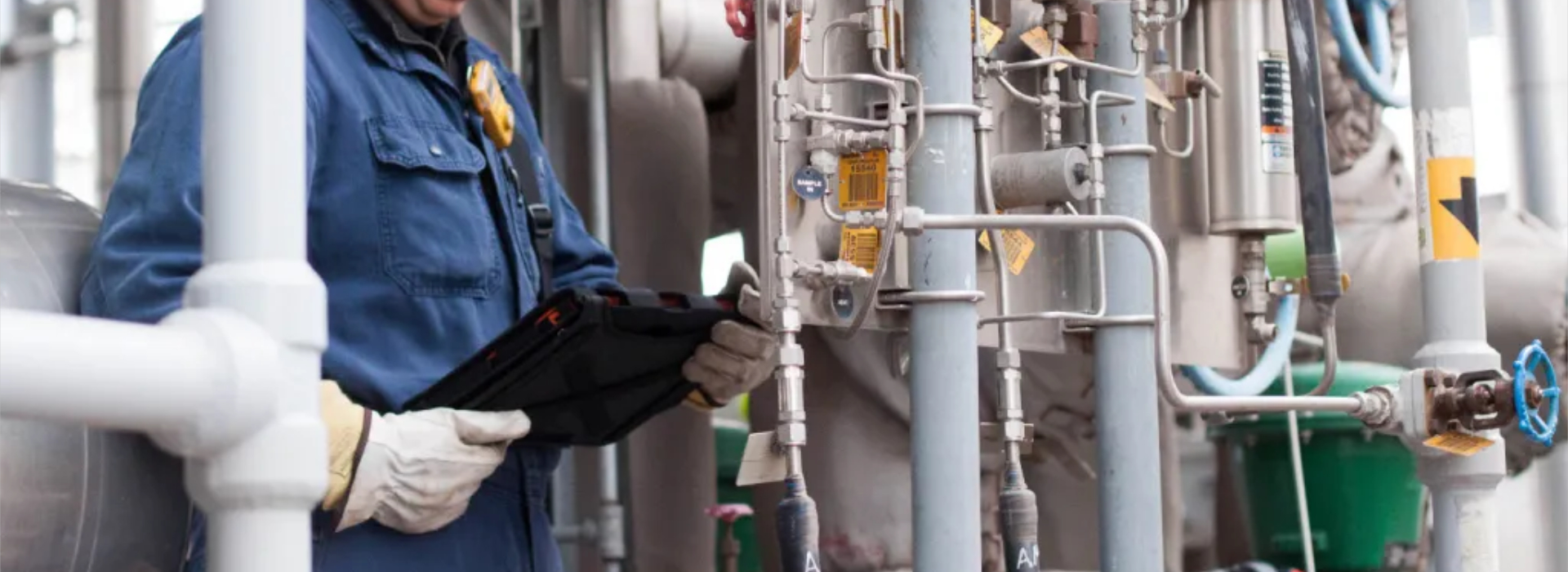
EnRUD Resources is dedicated to providing solutions for managing environmental and maintenance information in the petrochemical, refinery and manufacturing industries. Our information management solutions are designed to automate and facilitate many of the daily labor intensive activities performed by facilities around the world.
- Unmatched Customer Service
- Turnkey Compliance Programs
- Painless and Simplified Process
- Innovative and Custom Solutions
Why Clients Choose EnRUD Resources
Learn what makes EnRUD Resources stand apart with reviews by recent clients.

Years expereince

Texas Locations

Expert Personnel









Industries We Work With
Federal & State Regulations

Federal
State
Texas
Louisiana
- LAC 33 Part III - Air; Ch. 21 - Subchapter A: 2121 Fugitive Emission Control
- LAC 33 Part III - Air; Ch. 21 - Subchapter A: 2122 Fugitive Emission Control for Ozone Non-Attainment Areas
- MACT Determination for Non-HON (Non Hazardous Organic NESHAP) Equipment Leaks ("Fugitive Emission Sources")
- MACT Determination for Refinery Equipment Leaks ("Fugitive Emission Sources")
EnRUD Career Opportunities
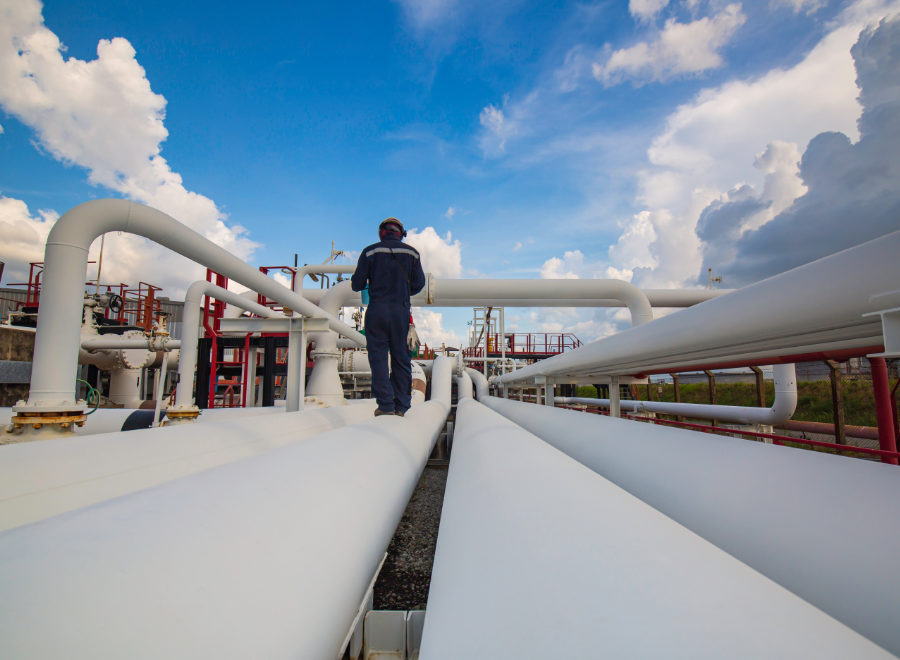
EnRUD Resources, Inc. is currently seeking qualified environmental testing applicants to work in the Source Testing Division. EnRUD provides air emissions testing to the Petrochemical, Natural Gas, Chemical, Pulp and Paper, and Cogeneration Industries.
- Extensive travel throughout Texas, Louisiana, Oklahoma, Colorado, and Wyoming. Travel to other areas of the U.S.A. may occur.
- 0 to 3 years experience in air emissions testing.
- The job is manual labor intensive and is primarily outdoors.
- The job requires outdoor testing at various heights from 25 feet to 200 feet in the air on permanent structures and/or scaffolding.
Recent Articles
Discover recent articles & stay up to date with the latest news in your industry.